The Top 3 Mistakes Music Teachers Make When Teaching Sight-Reading
Sight-reading is one of the most critical pillars of music education. Yet, for many students, it remains one of the most uncomfortable and intimidating aspects of their musical journey.
Most of the mistakes below have little to do with method books or materials. They come down to the music teacher mindset we bring into rehearsal: whether sight-reading is a test students have to get through, or a skill they build one small win at a time.
Why So Many Students Struggle With Sight-Reading
Most traditional approaches unintentionally assume that students already possess the confidence, literacy skills, and independence necessary to succeed immediately. In reality, many students are:
- Insecure about reading music
- Afraid of making mistakes in front of peers
- Dependent on stronger performers
- Unsure how to process notation independently
As a result, sight-reading often becomes something students survive rather than something they grow from. This is the primary reason many routines fail to create lasting music literacy.

Mistake #1: Assuming Students Are Automatically Ready
The most common mistake music teachers make is assuming that simply placing sheet music in front of students is enough. This assumes students can already identify key signatures, recognize rhythms quickly, and maintain an internal pulse without help.
While having confidence in your students is important, sight-reading naturally creates insecurity. If teachers are not intentional, students begin associating the process with anxiety, hesitation, and frustration. When students emotionally disconnect, their growth slows dramatically.
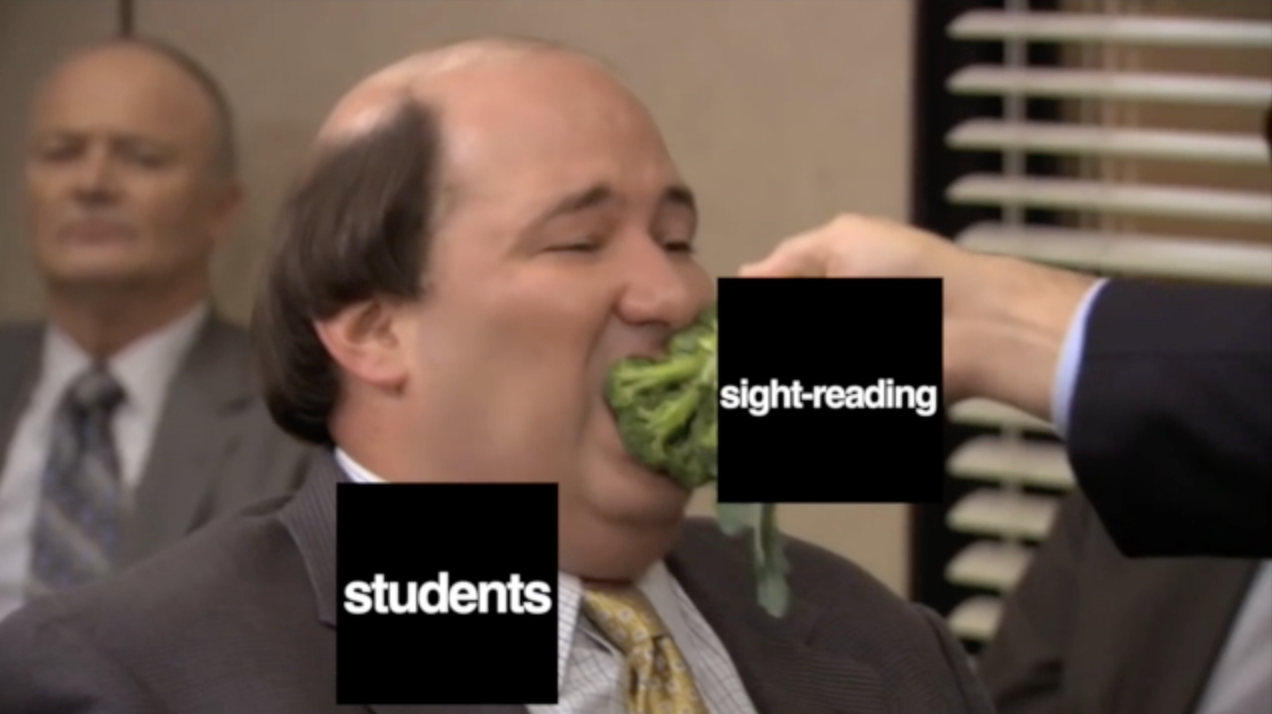
The “Musical Vegetables” Problem
For many students, sight-reading feels like eating vegetables. Teachers know it’s important, and students know they should do it, but very few actually enjoy the process. The focus often shifts to completion instead of engagement, curiosity, and confidence. When it feels like a chore, motivation disappears.
Mistake #2: Training “Followers” Instead of “Readers”
This is one of the most overlooked problems in ensemble environments. Many traditional rehearsals unintentionally encourage students to follow stronger musicians instead of reading independently. Whether you are a band director or a choir teacher, managing 40, 60, or 100 students makes it incredibly difficult to differentiate instruction.
So what happens? Students rely on neighboring performers, imitate rather than process, and survive instead of truly reading. Ironically, sight-reading can create more followers than leaders if we aren't careful.
Why This Happens So Often
Traditional exercises move at one shared level. However, students in one room have vastly different processing speeds and audiation skills. When instruction isn't differentiated, students stop attempting to read because success no longer feels attainable.

Mistake #3: Focusing on Survival Instead of Growth
Too many routines focus on simply “getting through” the exercise. But real literacy is built through consistent success and achievable challenges. Students need to feel that improvement is possible. Without that feeling, the process becomes exhausting instead of motivating.
Shifting the Music Teacher Mindset From Survival to Growth
This shift starts with us. When the goal is just getting through the exercise, a wrong note feels like failure. When the goal is growth, a wrong note is information: it tells you what to reteach tomorrow. Praise the students who keep going after a mistake, measure progress over weeks instead of judging a single read, and choose material your students can read successfully most of the time.
What Great Sight-Reading Actually Looks Like
Strong classrooms feel different immediately. Students are independently engaged, focused, and invested in their own growth. The goal is independently engaged, yet corporately motivated musicianship. When students feel capable, the entire emotional environment of the classroom shifts.
Why Differentiation Matters So Much
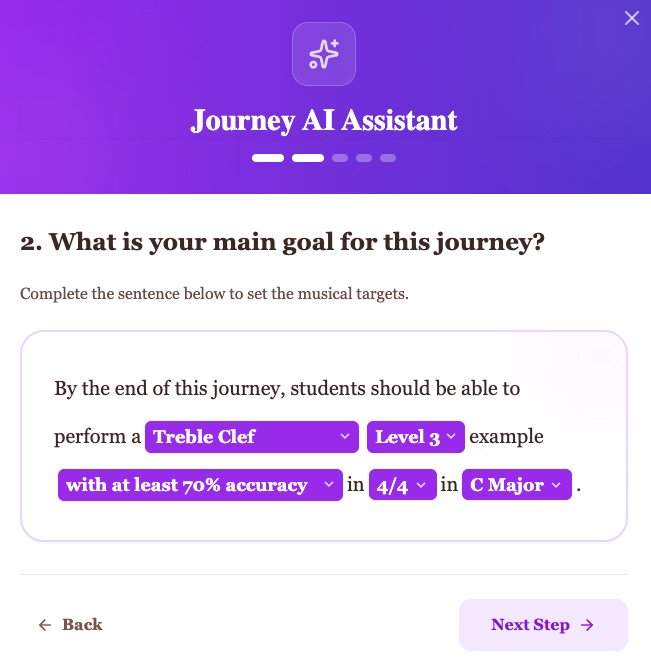
Students grow best when the challenge is just right. If it’s too hard, they get discouraged; if it’s too easy, they disengage. This is the core philosophy behind SightReadQuest, which allows teachers to customize instruction by class, section, or even individual ability.
Frequently Asked Questions
How do you teach sight-reading effectively?
Effective sight-reading instruction requires differentiation and consistent, achievable challenges. By breaking down music into manageable components—rhythm, pitch, and pulse—and ensuring every student can succeed at their own level, you build the confidence necessary for independent reading.
Why do students struggle to read music independently?
Most students struggle because they lack the confidence to make mistakes. In large ensembles, they often fall into the habit of 'following' stronger neighbors rather than processing the notation themselves. Providing individualized, level-appropriate exercises helps break this dependency.
How can a choir teacher improve student engagement?
Engagement increases when students see visible progress. Using gamified tools and differentiated levels allows students to experience 'wins' frequently, turning a stressful task into a rewarding challenge that they actually look forward to.
What is the benefit of differentiated music instruction?
Differentiation ensures that no student is left behind and no student is bored. By tailoring the difficulty to the individual's current skill level, teachers maintain a high level of motivation and ensure that every member of the ensemble is actually learning, not just surviving.
Check Out This Leading Music Education Curriculum!